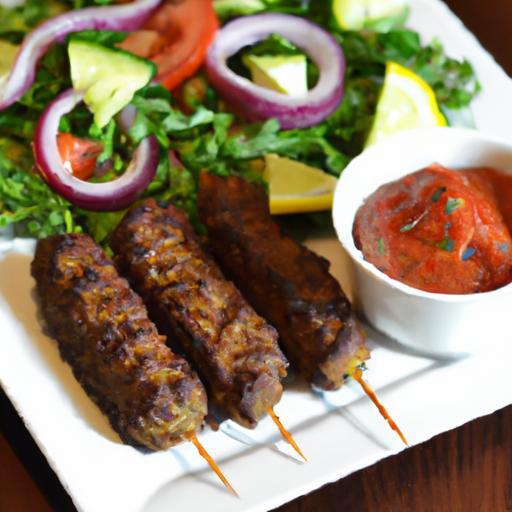
The Secret to Flavorful Kofta: Spices, Herbs, and Authentic Middle Eastern Taste
There's an undeniable magic in a perfectly cooked kofta kebab. Every bite evokes images of warm summer evenings, the smoky allure of the grill, and the captivating aroma of spices that wafts through the air. More than just ground meat molded onto a skewer, the humble kofta is a culinary masterpiece, a staple of Middle Eastern BBQ spreads (often called Mashawi), and a dish that connects generations through its rich heritage and tantalizing flavors. But what truly elevates a good kofta to an unforgettable one? The secret lies in a carefully orchestrated symphony of aromatic spices and fresh, vibrant herbs, creating a taste profile that is both complex and deeply comforting.
At its heart, the kofta kebab represents a perfect harmony of tender ground protein, pungent aromatics, and a meticulously balanced blend of seasonings. While the quality of the meat is crucial, it's the interplay of these additional ingredients that truly captures the essence of traditional Middle Eastern cuisine, transforming simple ingredients into a remarkable dining experience. Let's unlock the flavor vault and discover the true components of an authentic kofta.
The Heart of Flavor: Essential Spices and Herbs for Authentic Kofta
The journey to a truly flavorful kofta begins with its aromatic foundation. Forget bland, forget one-note – authentic kofta kebab demands a chorus of spices that dance across your taste buds. While recipes vary regionally, a core set of spices provides that unmistakable Middle Eastern warmth and depth. The key to unlocking their full potential is often using freshly ground spices, which offer a more potent and nuanced flavor profile than their pre-ground counterparts.
- Garlic: An absolute non-negotiable, garlic forms the pungent, aromatic backbone of almost any savory Middle Eastern dish. Freshly minced garlic provides a sharp, robust flavor that grounds the entire spice blend.
- Cumin: Earthy, warm, and slightly musky, cumin is a cornerstone spice in the region. It adds a deep, savory complexity that is quintessential to kofta.
- Coriander: Offering a delightful contrast, ground coriander brings a lighter, citrusy, and slightly floral note. It brightens the overall flavor and prevents the kofta from being too heavy.
- Paprika: Whether sweet or mildly hot, paprika contributes both color and a subtle sweetness or warmth. Smoked paprika can add an extra layer of complexity, mimicking the smoky char of the grill even when cooking indoors.
- Allspice: This aptly named spice often features in Middle Eastern blends, offering notes that evoke cloves, cinnamon, and nutmeg. It acts as a bridge, tying the other flavors together and adding a sweet, woody warmth.
- Black Pepper: For a universal kick and a subtle heat that rounds out the savory profile. Freshly ground black pepper is always best.
- Cayenne or Red Pepper Flakes (Optional): For those who appreciate a gentle spicy kick, a pinch of cayenne pepper or red pepper flakes can awaken the palate without overpowering the other delicate flavors.
Beyond the dry spices, fresh herbs are equally vital. They provide a vibrant freshness that cuts through the richness of the meat and the warmth of the spices. Finely chopped fresh parsley is almost always present, offering a clean, peppery, and slightly bitter note. Sometimes, a touch of fresh mint is added for an extra layer of cooling aroma, especially if you're aiming for a specific regional variation. The crispness and vibrant green of these herbs are not just for garnish; they are integral to the flavor profile.
Crafting the Perfect Kofta: Beyond the Spices
While spices and herbs are the soul of your kofta kebab, the preparation of the meat mixture itself is paramount to achieving that coveted juicy, tender texture. It's a delicate art that requires attention to detail, far beyond simply mixing ingredients.
Choosing Your Meat and Aromatics
Traditional kofta recipes often call for ground lamb, known for its rich flavor. However, a popular choice is a combination of ground beef and lamb, offering a balance of flavor and tenderness. The key is to select freshly ground meat with a moderate fat content. Too lean, and your kofta will be dry; too fatty, and it might crumble or be greasy. A ratio of 80/20 (lean to fat) is often ideal.
In addition to garlic and herbs, finely grated or minced onion is a crucial ingredient. It adds moisture and a subtle sweetness that complements the meat and spices. Grating the onion ensures its juices are released and distributed evenly throughout the mixture, preventing large chunks that can cause the kofta to fall apart.
The Binding Secret: Skip the Breadcrumbs!
Contrary to many Western meatball recipes, many authentic Middle Eastern kofta recipes purposefully omit bread or breadcrumbs. While they can help bind the meat, their presence can actually absorb precious moisture, leading to a drier kofta. For a truly juicy kofta kebab, resist the urge to add any binding agents like breadcrumbs. The natural proteins and fat in the meat, combined with proper mixing and resting, are sufficient for binding.
The Magic of Resting
Once you've meticulously mixed your ground meat with the vibrant spices, fresh herbs, and finely grated onion, the next crucial step is often overlooked: chilling. Letting the mixture rest in the refrigerator for at least a few hours, or even overnight, works wonders. This allows the flavors to meld and deepen, transforming from individual notes into a harmonious blend. Furthermore, chilling firms up the meat mixture, making it much easier to mold onto skewers and significantly reducing the chances of the kofta crumbling during cooking. This resting period is a simple yet powerful technique that ensures your kofta is both flavorful and structurally sound.
For more detailed insights on the various cooking techniques and how they impact juiciness, check out our guide on Mastering Juicy Kofta Kebabs: Grill, Pan-Sear, or Bake to Perfection.
Cooking Methods for Maximum Flavor
Whether you’re embracing the traditional open flame or opting for indoor convenience, the cooking method plays a significant role in developing the final flavor and texture of your kofta kebab.
- Grilling: This is arguably the most authentic and beloved method. Grilling infuses the kofta with irresistible smoky undertones and achieves that beautiful, slightly charred exterior while keeping the inside tender and juicy. Lightly brush each kebab with olive oil just before grilling to prevent sticking and aid in browning. Patience is key here; aim for about 4 minutes on the first side to lock in juices and develop a crust, then flip once and cook for another 3-4 minutes until cooked through. Avoid constant flipping to maintain moisture.
- Pan-Searing: An excellent indoor alternative, pan-searing in a hot skillet with a little olive oil can still achieve a fantastic golden-brown crust. It’s perfect for smaller batches and an easy weeknight dinner option.
- Baking: For larger gatherings or hands-off cooking, baking kofta in the oven at a high temperature (around 400°F/200°C) on a parchment-lined tray is a convenient option. While it won't offer the smoky char of the grill, it still produces tender and flavorful kebabs.
Regardless of the method, the goal is to cook the kofta through without drying it out. The moderate fat content of the meat, combined with the firming effect of chilling, helps maintain moisture. Ensure your cooking surface is hot before adding the kofta to encourage a good sear.
Serving Your Authentic Middle Eastern Kofta Experience
A true Middle Eastern kofta experience extends beyond the kebab itself. It's often presented as part of a vibrant spread, a culinary celebration of fresh flavors and bold textures. These cylindrical meat delicacies are designed to be enjoyed with a variety of complementary sides that enhance their complex profile.
Start with a selection of creamy dips. Hummus, with its garlicky chickpea richness, or smoky baba ghanoush (roasted eggplant dip) are classic choices. For something a little different, consider muhammara, a vibrant dip made from roasted red peppers and walnuts, which adds a perfect sweet and spicy kick. A simple, cooling yogurt sauce (often flavored with mint and garlic) is also a fantastic accompaniment, cutting through the richness of the meat.
No kofta kebab meal is complete without warm bread. Soft, pillowy flatbread or warm pita bread are perfect for scooping up the kofta and dips. And to balance the richness, a medley of fresh salads is essential. A simple combination of crisp lettuce, ripe tomatoes, and cool cucumbers is always welcome. Traditional choices like tangy tabbouleh or a vibrant chopped salad known as Shirazi salad add an extra layer of herbaceous freshness and zest. These easy-to-adapt kebabs make for a flexible meal that invites personal creativity and different flavor combinations, whether you're planning a full spread or just a simple meal. For quick and easy preparation ideas, you might find inspiration in our article on Minute Middle Eastern Kofta Kebabs: Bold Flavor for Any Night.
This traditional way of serving not only enhances the flavors but also highlights the communal and celebratory aspect of Middle Eastern dining, making every bite a journey through centuries of culinary craftsmanship.
The secret to truly flavorful kofta lies not in a single ingredient, but in the harmonious blend of robust spices, vibrant fresh herbs, careful meat preparation, and thoughtful cooking. From the earthy depth of cumin and the bright notes of coriander to the refreshing burst of parsley, each element contributes to a complex and deeply satisfying taste. By understanding these secrets and embracing the traditional methods, you can transform simple ground meat into an authentic Middle Eastern masterpiece, a juicy and aromatic kofta kebab that promises warmth, depth, and cultural significance with every mouthwatering bite. So gather your spices, hone your skills, and prepare to embark on a delicious culinary adventure.
